

This is the question that stays alive for me. It’s not something I want to solve or tidy away. It’s something I return to, because it changes me every time I ask it.
Marj Barstow (a first generation Alexander teacher) once said to a student who wasn’t sure if they were moving their head ‘right’:
“You’re never sure. You move your head and watch what happens.”
This aphorism is a kind of compass for me. What if, NOT knowing isn’t a problem. It’s a doorway.
In a world where we’re trained to have the right answers, get the good grades, and prove ourselves at every stage, saying “I don’t know” can be perceived as weakness.
And yet, whenever I run a workshop (can I be completely honest?) there is usually/always at least one moment where I genuinely don’t know what to do next. I feel stuck. There’s no clarity, no obvious way forward. Confusion takes over for a little moment.
Over time I’ve learned to name this moment instead of hiding it. I’ll say to the group that the next step isn’t clear to me, and that I’m going to wait a moment and see what emerges.
In that pause, I turn towards myself. I notice my body sensations. I remind myself that the ground is already supporting me. I widen my awareness to include my peripheral vision. I gently bring my lips together so air moves through my nose. These small things help guide me and my nervous system out of fight-flight-freeze and into a calmer, more regulated state. Then my thinking brain can return.
As an Alexander practitioner, I also send a few quiet thoughts towards ease in my head and neck joint, warmth to my whole body, and a wish to return to my full easy length and width.
Always, yes always, in that space of not‑knowing, and ‘working on myself’ something appears. A next step. A clearer direction. A way forward that wasn’t available when I was trying to force an answer.
Not knowing is not weakness. It’s truth. It’s strength. Maybe even courage. To stand there, to think in a particular way, to let my body organise itself as nature intended, without rushing to fill the silence or fix the moment or the person – that is where creativity lives.
One of my heads of training at Cumbria Alexander Training – Michael Hardwicke – used to tell us that part of our job, and what we’re paid for, is this ‘danger money’, the willingness to stay, to not run away, to not grab at the first idea just to feel safe again.
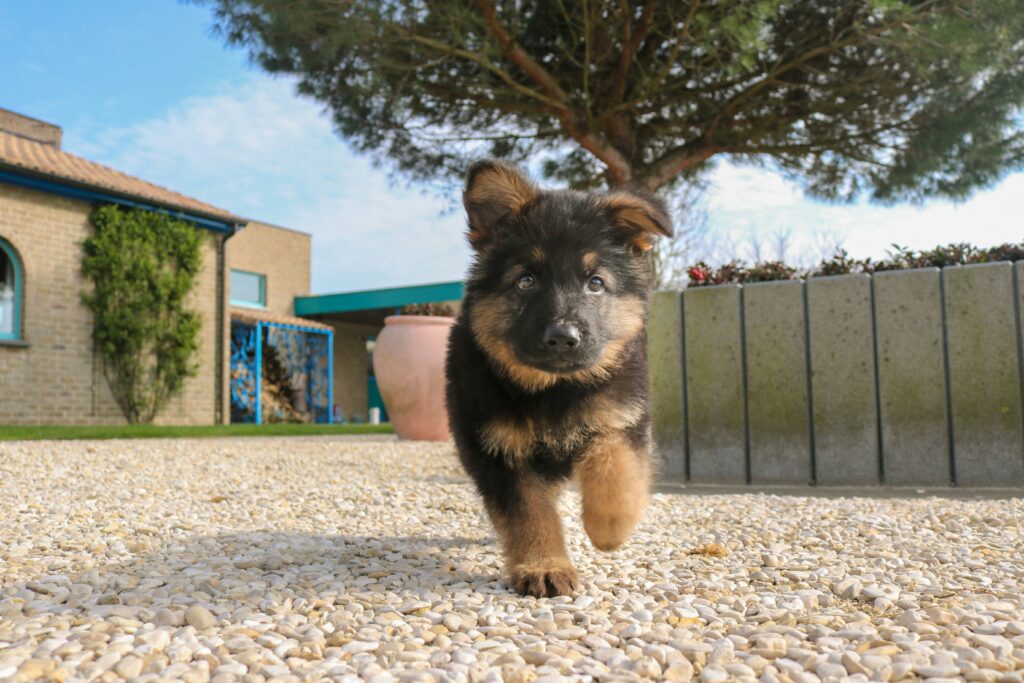
To trust the process, to stay and think and accompany ourselves and our person in the not-knowing. I think of it like puppy-training ‘stay, stay, stay’ and inhabit myself and the experience. I am not a problem who needs fixing, nor are you. Your pain may be a problem, but trying to fix it directly, is not our work. But to be curious and stay with ourselves, and the moment when we don’t know, and notice what happens in me and you when we don’t know? This is where some magic can happen.
Recently I was running a class in Hathersage, guiding the group as they came up from the floor into standing.
One person exclaimed that they felt so light, that the movement had been so easy it ‘just happened’. And in that moment I realised something simple and reassuring: when I allow myself not to know, and stay with the process, I make room for something new to happen – in me, and in my clients.
That is why this question stays alive for me. “What happens in me when I don’t know?” It keeps opening doors I didn’t know were there.
Would you welcome an invitation to notice a little moment when you don’t know whether you are doing something ‘right’ and what that’s like for you? I can help you meet that moment, and yourself, with more kindness if you’d like.