“When we take our fate, we become free” constellations saying.
I don’t like this, but time and again, I know the truth of this sentence. It asks something simple – but not easy. What does it mean to take one’s fate, not as a burden or a punishment, but as the exact shape of life that is ours to live?
In practice, taking one’s fate looks like stopping the quiet argument with reality.
It looks like turning toward the mother we had, the father we had, the body we have, the history we carry, the losses that shaped us, the limitations we wish we didn’t have.
It looks like saying yes to the life that actually arrived, instead of the one we imagined or hoped for.
The resistance fades. Our body can settle itself a little more, our jaw unclenches, and the breath comes back without effort.
This principle of agreeing with our fate has changed how I read a person’s body in front of me. When someone is struggling, I don’t see weakness. I see a system still bracing against something it couldn’t bear to feel. A person holding themselves together in the only way they once knew. I recognise the pattern because it has lived in me too.
Taking one’s fate is not resignation. It is the opposite. It is the moment the system stops wasting energy on resistance and begins to move again. It is the moment a person steps into the life that is actually theirs. And from that place, freedom becomes possible. Not the freedom to escape our story, but the freedom to live it with clarity, dignity and presence.
For me, this moment came about three years ago. Weeks had passed and I still hadn’t recovered from Covid. Instead of improving, everything felt heavier. My energy was low, my head foggy, my body exhausted. I lost my appetite, except for a weird desire for banana juice, and couldn’t taste it either.
Eventually I was sent to the hospital for tests. When I got home, the GP rang and asked me to come in immediately. Like, now.
When I arrived, he met me at the door at the end of the day. I could see the strain in his face. He looked like someone carrying news he didn’t want to deliver. And then I realised: Oh that news was for me.
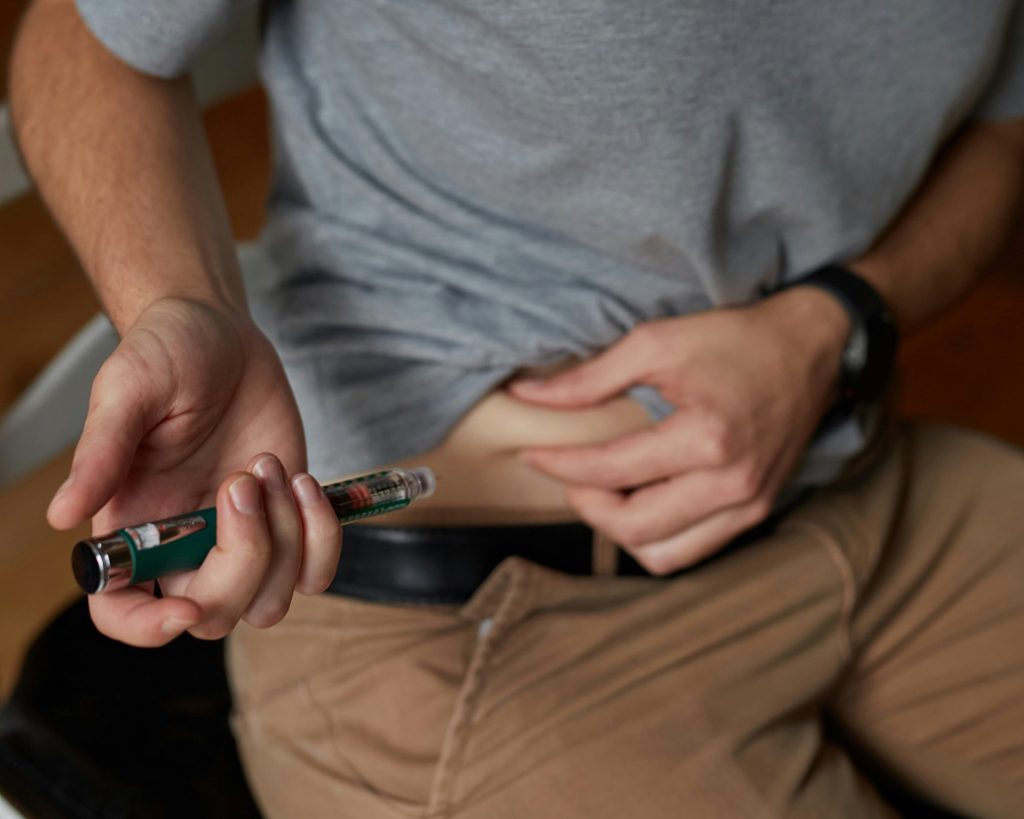
He told me I had diabetes.
My first instinct was to negotiate. Could I exercise more? Change my diet? Eat more beans and greens? I was trying to bargain with reality, as if effort could undo the truth.
He shook his head. No. You need insulin.
Inside myself, something very quiet said yes. Yes to having diabetes. Yes to needing insulin. Yes to going back to the hospital that same day.
I didn’t like it. I didn’t want it. But I chose to agree with what was true. I said yes to the new reality I had been given.
This wasn’t the end of my story. It was the beginning of a different kind of clarity, a new relationship with what is.
I was sad, disappointed, and a little afraid, but I was no longer fighting reality. I wasn’t pushing against my fate. And when I stopped resisting, something in my body let go. The tension eased. The struggle softened. The fight left me. I became freer.
Is there something you are struggling with agreeing to? Is there something that haunts you everyday that you haven’t come to terms with yet, and could you use a little support?
Saying yes didn’t change the diagnosis, but it changed the way I could meet my life from that moment on.
That yes became a doorway – not to what I wanted, but to the strength I didn’t know I had.
In agreeing with what was true, I found a steadier ground beneath my feet than resistance had ever given me. And yes, I eat beans and greens too, and exercise and all those good things too. But the biggest change for me, is not arguing with reality.
If this writing makes you feel sad, or overwhelmed, or daunted, yes of course. I’d love to hear what comes up for you… please write and share. Or reach out and see if you’d like to work together.