

Why We Get Stuck in Sadness and How Resonance Helps Us Recover
“We make sense. No matter what challenging feelings we have.” Sarah Peyton
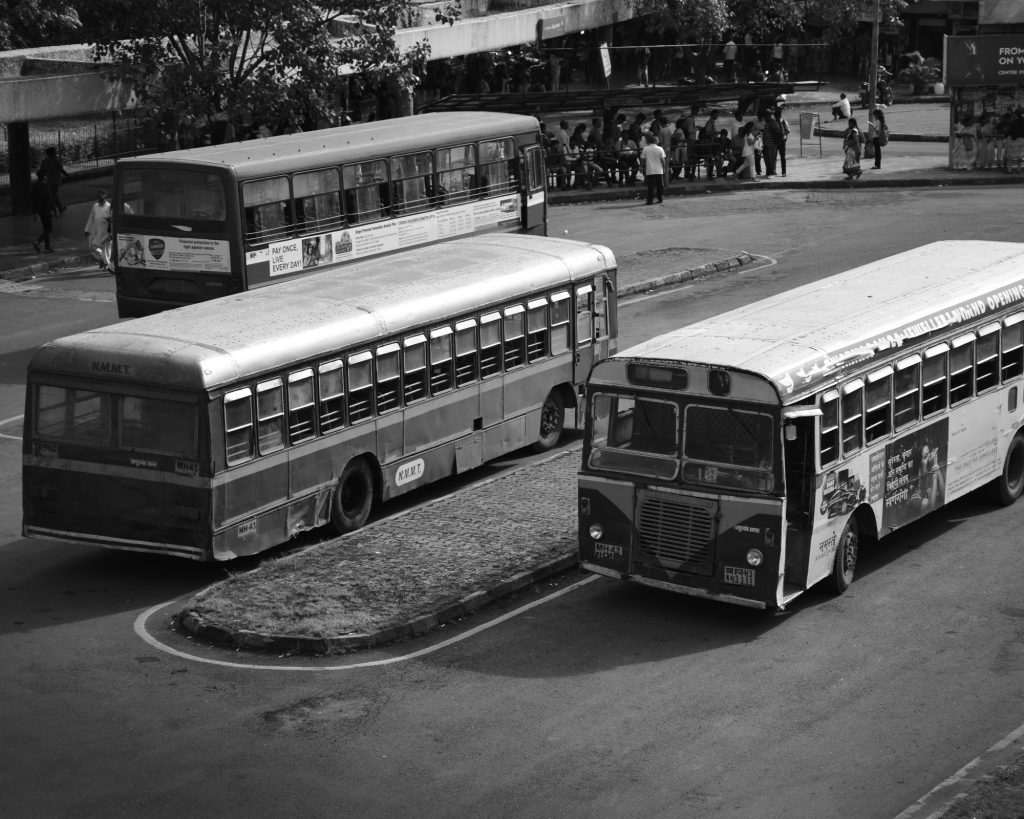
Imagine a huge bus station with dozens of routes, yet somehow every bus you see is labelled Panic Grief. All the buses travel the same loop. You step on one, and before you know it you are circling familiar territory again. If this has been your normal emotional route since childhood, you may not even notice what bus you are on. You may have stopped looking out of the window years ago, this is just how it is.
Our society in the west does not make it easy to stay accompanied with sorrow or sadness. Tears are often hurried away. Boys are told to stop crying once they reach a certain age. Many girls learn to swallow their feelings so they do not ‘burden’ anyone. These unspoken rules push us away from the natural expression of grief. The feelings do not disappear. They are suppressed and held, like being in the freezer in the brain-body instead. They wait.
When there is no safe place for tears, we find diversions. Sports can discharge some of the pressure of this suppressed energy. Risk taking that creates a temporary high. Alcohol or drugs may numb the ache. Hours of TV or doom scrolling that turn down the noise of the default mode network. Anything that quiets the inner critic for a moment. These diversions are understandable. They are our best attempts to escape the endless bus loop of Panic and Grief we’ve got stuck on.
Loneliness often grows in these loops.
“Often people have been lonely for years, in part because of circumstances, but in part because they create contracts of isolation that are supposed to prevent heartbreak and devastation. If it is the contracts rather than the circumstances that are preventing connection, then a facilitator/practitioner can bring an understanding that there is a circuit committed to feeling the loss and the aloneness and that clients will continue to cycle until full acknowledgment of the past has been made.” Sarah Peyton
These contracts are trying to protect us from heartbreak. They say, stay separate, stay safe. And yet there can be a great cost to this – loneliness and isolation. Resonance work helps to acknowledge what happened, in all its detail until we feel complete.
Jaak Panksepp’s work helps us understand that PANIC/GRIEF is an ancient separation‑distress system that triggers sadness and emotional pain when social bonds are broken or lost. It evolved to protect young mammals by motivating them to seek comfort and connection. When comfort was not available in childhood, the circuit can get stuck. Instead of moving through grief and returning to connection, our brain and nervous system get stuck in the loop. It’s like riding the same bus again and again.
This is where resonance becomes a turning point. Might it help to think of Resonance like a travel conductor who notices you have been on the same bus for years. The conductor stands beside you and says, of course you feel frustrated or numb. Of course you feel bewildered. You make sense.
And the moment you feel understood, something can shift. You may begin to see that other buses exist. You have choice which one to be on.
When you are ready, the conductor might stand with you as you step off the familiar route. Not pushing. Not rushing. Just accompanying. You might notice a bus labelled Seeking, Play or Care. You might realise you have not visited these parts of your emotional landscape in years.
Resonance does not erase grief. It helps you move through it. It helps you remember that sorrow is not meant to be an endless loop. It is meant to be a pathway back to connection. Resonance can help you travel with and towards connection, as it is relational work.
I remember circling this loop myself after my mum died. I was twenty‑three, suddenly back from my working holiday in Australia. One day I was on a beach in Brisbane, the next I was home saying goodbye to her. I was in shock and felt unprepared for life in the UK with all my plans disrupted and losing my mum sent me out of orbit. My relationship ended soon after, and I moved to Birmingham for a new job, where I found myself bullied. I lived with alarmed aloneness in every breath. It was years later, in a resonance session with Sarah Peyton, I slid into a memory of this colleague, months of alarmed aloneness, loneliness, heartache for me and my mum and finally cried. Great chest‑heaving sobs. Being accompanied with warmth helped those frozen strands of grief melt and release. The air felt sweeter to my nostrils afterwards. Now I can speak about my mum and those months without the heartbreak or heaviness. Healing has strengthened my heart and updates my brain, one moment at a time.
Someone I was working with brought one moment to explore, and as I sat with her, checking I was understanding a little, we slid into a whole string of memories. I accompanied her as she spoke from age to age, each memory nested inside another, staying with each one and hearing what was not heard at the time. Together we brought each younger self safely back to the present. As the tears flowed, she was surprised how one memory had been stuck to another and another. At the end she felt tired and refreshed from having a good cry. She felt lighter too.
This is what happens when the Panic/Grief circuit is finally met. The loop loosens, and gets completed. The loneliness contracts can be released and replaced. The emotional landscape widens. And over time the person begins to sense that other routes exist. Curiosity. Play. Care. Rest. These circuits were never gone. They were simply waiting for the right kind of accompaniment to repair the route and renew connections.
Lucy brings neuroscience education into her resonance work, helping clients understand why their emotional pain makes sense and how the brain can heal with warmth and accuracy. This blend of science and compassion helps people step off the bus they have been riding for years and discover new routes, new circuits, new ways of being with themselves.
Resonance is neuroscience based, and helps rewire our brain from endless loops, to completed memories, freeing us up to move more freely. It reminds us that we make sense, and that warm relational accompaniment can change the shape of our emotional world.