

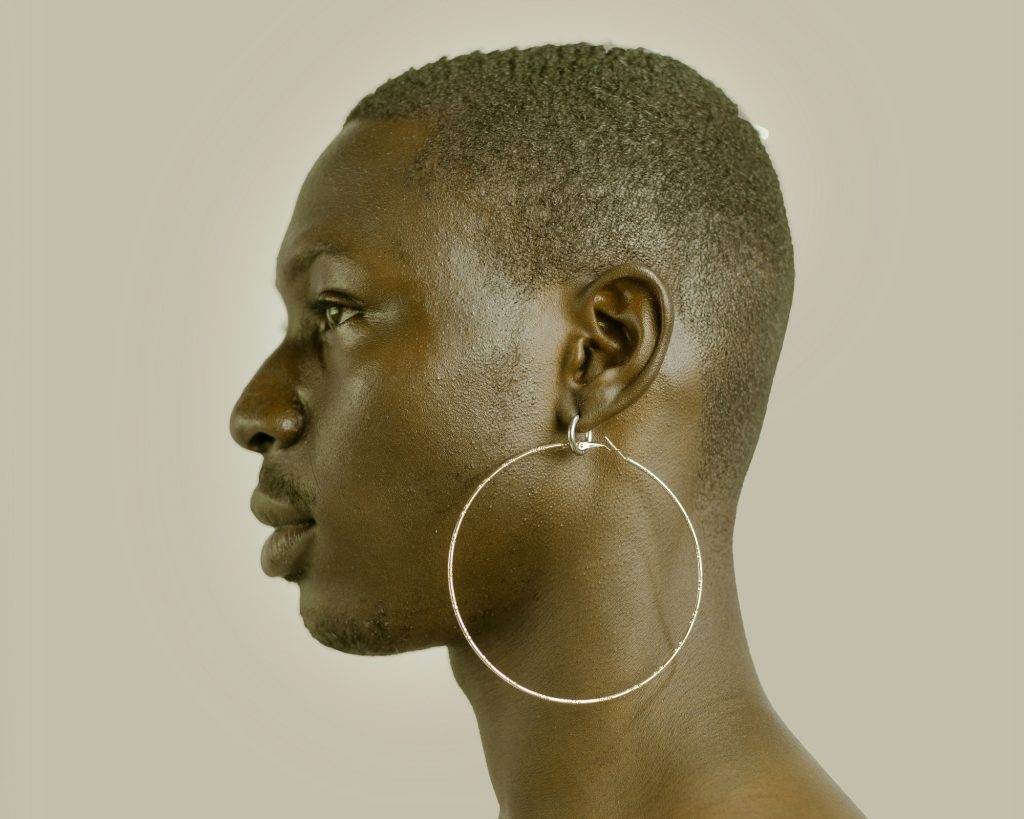
(thank you Rumi)
Week 2: Day 10 – End of Week Reflection
“I can tell you the messages to give, but I can’t tell you what to do.” FM Alexander, Teaching Aphorisms, #21
The question I have heard more than any other over the years is this one: “What is the right position for my head?” New students often ask it within minutes. Long‑term students sometimes ask it again when they feel momentarily lost. People ask it with hope in their eyes, as if I might finally reveal The Secret that will make everything fall into place.
When I first started teaching, I tried to answer it immediately and fully and pour all my learning into my sentences.. Of course, I would talk about the head balancing on the top of the spine, the atlanto‑occipital joint, the direction of up, the release of the neck. I would demonstrate. I would draw little diagrams. I would try to show them the right relationship without ever using the word right. I wanted to help. I wanted to be useful. I wanted to give them something clear. I still do.
But the more I’ve taught, the more I realised that the question itself comes from the very habit we are trying to interrupt. The desire for a correct position is the desire to get it right, to fix something, to hold something still and keep it there. It is the desire to be told what to do. And FM was clear. He could tell us the messages to give, but he could not tell us what to do. That part is for our body’s wisdom and coordination to express in the moment.
There is a piece of unlearning we can do, hidden assumptions we carry from our schooling and upbringing. The idea that there is such a thing as a right position, and that if we could only find it, we would be sorted forever. If that were the path, then head‑ramp exercises and golden strings would have solved that problem for us all by now.
These days, when someone asks me about the right position for their head, I hear something different underneath. I hear their wish to feel safe. I hear the longing for ease. I hear the hope that there might be a simple answer that will make the pain stop or the tension disappear. I hear the part of them that wants to hand the responsibility to me, just for a moment, because it feels too much to hold alone.
My answers now is geared towards this underlying quest.
I am quieter, slower to check I understand them better.
I might gently challenge with a question, “What might happen if you stop trying to put your head somewhere.”
“Do you have a cat or dog? I wonder if they ever think about getting their head into the right position?” They laugh, and I remind them that we are mammals too.
Or, “Could you ask your neck be free and see where your head wants to go in this moment.”
Sometimes I ask, “Do you need acknowledgement that some certainty would feel good?”
Or “Would you love a head‑position‑ometer that could tell you exactly where to put your head?”
And sometimes I say “Hmm yes that’s what we are exploring right now” or nothing at all and let my hands do the talking.
What I am saying is: there is no right position. There is only a relationship that can change from moment to moment, if we get out of the way. And what I am really teaching is: you can trust your own head to find its own way, again and again.
I want to help people help themselves, and trust that my words will support their unlearning, through conversation and relationship.
I have changed too. I no longer feel the pressure to give the perfect explanation. I no longer feel responsible for their immediate understanding. I no longer try to rescue them from the discomfort of not knowing. I can sit with their uncertainty because I have learned to sit with my own.
The question still comes, year after year. But now I hear it as an invitation. Not to give an answer, not to point out any wrong assumption in the question, but to help someone discover that the answer is already inside them, waiting for the right conditions, waiting to be revealed in the process. This is our work.
And each time I guide someone back to their own noticing, and to trust their messages, I feel the truth of these messages and this path that we walk together.
If you’ve tried ‘everything’ else and want to see what else is possible, please write to me, or book a free 15 minute call https://calendly.com/lucy-lucyascham/30-mins-free-chat-are-a-match-to-work-together?month=2026-03